

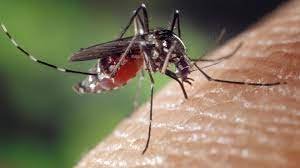
Illinois has reported its first West Nile virus death of the year. The victim, a resident of Cook County in their 60s, was confirmed through lab testing to have succumbed to complications from the virus, the Illinois Department of Public Health (IDPH) said.
“This first death is a sobering reminder that mosquito-borne illnesses remain a serious threat,” said IDPH Director Dr. Sameer Vohra. “It is important for residents to take proper precautions while the weather stays warm.”
Since September 6, suburban Cook County has recorded 33 cases of West Nile virus, almost double the number reported during the same period last year. Among these, 22 cases are classified as neuro-invasive, meaning the infection has affected the central nervous system.
Last year, Cook County reported 19 cases and five deaths. Statewide, Illinois logged 69 human cases of the virus in 2024, including 50 in Cook County, resulting in a total of 13 deaths. The numbers show that West Nile virus continues to pose a serious public health risk, particularly in areas with high mosquito activity.
Health officials are urging residents to take simple steps to reduce the risk of infection. Dr. Vohra recommends following the Three R’s to “Fight the Bite”: reduce opportunities for mosquito exposure, repel bites by wearing protective clothing and using insect repellent, and report any stagnant water that could serve as a mosquito breeding ground to local authorities.
The virus spreads primarily through mosquito bites, and symptoms can range from mild fever, headache, and body aches to severe neurological complications in some cases. Neuro-invasive infections, which affect the brain and spinal cord, can be life-threatening and require immediate medical attention.
Public health experts stress that prevention is the most effective defense against West Nile virus. Residents are advised to remain vigilant, especially during warm months when mosquitoes are most active, and to take measures to protect themselves and their families.
The first death of the year highlights the importance of ongoing surveillance and community awareness. IDPH continues to monitor cases and urges the public to report symptoms promptly. By following recommended precautions, residents can help reduce the spread of the virus and protect vulnerable populations, including older adults and those with weakened immune systems.
As Illinois enters the peak of mosquito season, authorities are increasing efforts to educate the public on preventive measures. Regular use of insect repellent, covering exposed skin, and eliminating standing water around homes are critical steps to minimize risk. Communities are also encouraged to support local mosquito control programs and participate in awareness campaigns.
With cases rising, residents should remain alert to any symptoms of West Nile virus and seek medical advice if they suspect infection. Early detection and care can improve outcomes, particularly for those at higher risk of severe illness.
Illinois’ first death from West Nile virus in 2025 is a reminder that mosquito-borne diseases are still a significant threat. By taking proactive steps, residents can help reduce the spread of the virus and stay safe throughout the remainder of the warm season.
