

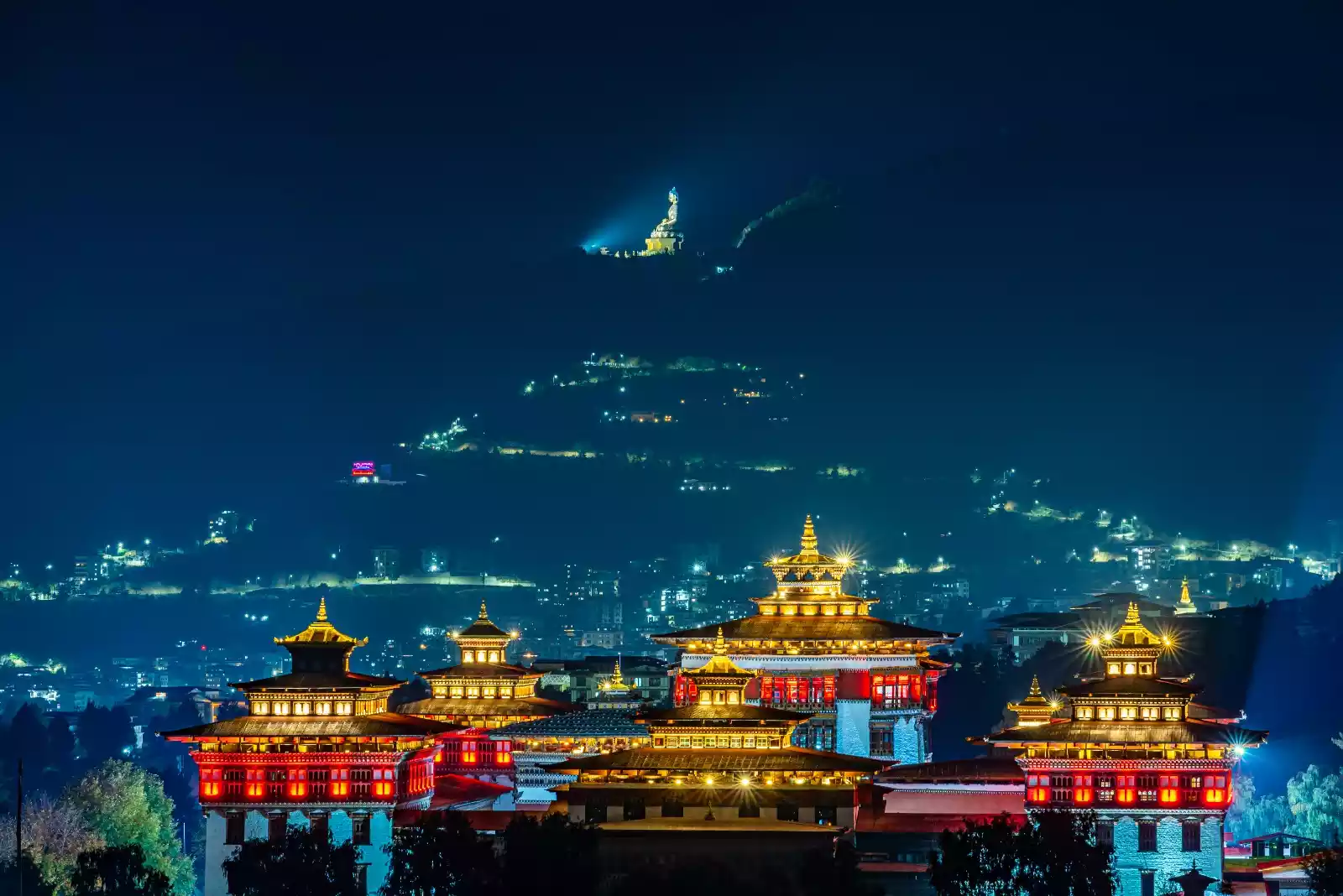
Bhutan, a tiny kingdom tucked in the Himalayas between India and China, is unlike any other place in the world. Home to fewer than 800,000 people, it feels untouched by modern chaos. For visitors, Bhutan offers more than scenery—it provides a philosophy of life. The nation measures progress through Gross National Happiness, not just economic growth. Life here is calm, deliberate, and deeply connected to nature.
Reaching Bhutan is surprisingly easy from Bangkok. Direct flights with Drukair or Bhutan Airlines link the Thai capital to Paro, Bhutan’s only international airport. The flight offers breathtaking views of the Himalayas, including Everest, Kangchenjunga, and Bhutan’s sacred peaks. Landing at Paro is considered challenging for pilots, yet the thrill of arrival perfectly sets the tone for a journey unlike any other.
Bhutan’s Gross National Happiness framework guides every aspect of life. Introduced by the Fourth King, Jigme Singye Wangchuck, it focuses on sustainable development, environmental conservation, cultural preservation, and good governance. This holistic approach shapes city planning, education, and tourism. Thimphu, the capital, reflects this balance. It has no traffic lights; white-gloved officers manage busy junctions instead. Majestic dzongs, or fortress-monasteries, dominate the skyline, while monks in crimson robes walk alongside office workers in traditional ghos and kiras. The air is cleaner, the pace slower, and the culture feels continuous.
Bhutan attracts just over 100,000 visitors annually, far fewer than its Himalayan neighbors. Most come from India, the United States, China, the United Kingdom, and Germany. Yet Bhutan avoids mass tourism. Its “High Value, Low Volume” policy prioritizes quality over quantity. Tourists pay a Sustainable Development Fee of USD 100 per night (through 2027), which supports conservation and local communities. This approach protects the environment, preserves culture, and improves citizens’ quality of life. Tourism is a tool for harmony, not exploitation.
Stepping into Bhutan feels like entering a slower world. Television only arrived in 1999, and mobile phones in the early 2000s. Prayer flags flutter on mountain ridges, and cliffside monasteries such as the Tiger’s Nest dominate the landscape. Hikes to these sacred sites reward visitors with breathtaking views and quiet reflection. Valleys like Phobjikha are sanctuaries for black-necked cranes, celebrated with colorful festivals. The Bumthang region offers ancient temples and apple orchards, showcasing Bhutan’s spiritual core. Dzongs such as Punakha and Trongsa serve as both administrative centers and living monasteries, blending tradition and governance seamlessly.
Bhutanese people are reserved but warm. They take pride in their culture, and national dress is worn daily, reinforcing identity. Cuisine is simple and hearty. Ema datshi, a spicy chili and cheese dish, is paired with red rice and butter tea. Meals are both nourishing and a connection to tradition. For accommodations, Zhiwa Ling Heritage in Paro stands out. Nestled among pine forests, it blends Bhutanese craftsmanship with modern comfort. Hand-carved woodwork, temple-like courtyards, and authentic décor offer an unmatched sense of peace. Staying here captures the essence of Bhutan: heritage, hospitality, and harmony.
Bhutan offers free healthcare for citizens. Hospitals and clinics, including the Jigme Dorji Wangchuck National Referral Hospital in Thimphu, provide accessible medical care. This reflects the nation’s commitment to equality, dignity, and compassion for all.
Flights connect Paro to Bangkok, Delhi, Kathmandu, and Singapore. Most visitors book tours through licensed Bhutanese operators and pay the USD 100 Sustainable Development Fee. The best travel months are March–May and September–November. Winters are cold but less crowded, while summer monsoons bring lush greenery. Respect local customs, dress modestly at dzongs, and note photography restrictions inside temples. Travel is slow due to winding mountain roads, but this unhurried pace is part of Bhutan’s charm.
Bhutan offers more than natural beauty. Its culture, philosophy, and mindful approach to tourism leave a lasting impression. Here, happiness is not just a goal—it is a way of life.
