

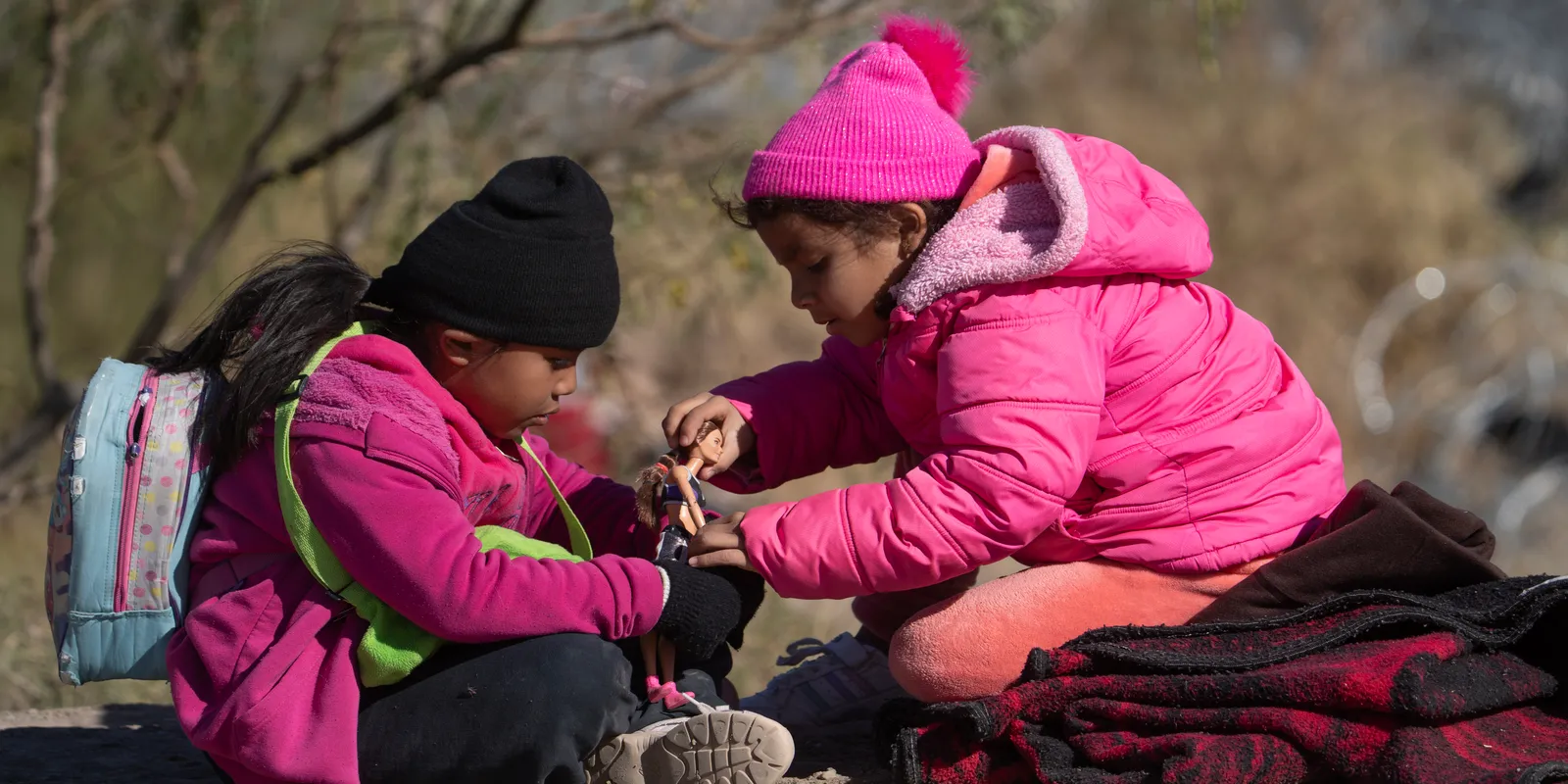
The Trump administration plans to offer $2,500 to immigrant children in U.S. custody if they voluntarily leave the country. The program targets unaccompanied minors aged 14 and older who have expressed interest in returning to their home countries. Children from Mexico are excluded from this plan.
A government memo, issued by the Department of Health and Human Services (HHS) to legal service providers, confirms that eligible minors would receive a one-time resettlement stipend of $2,500. The Department of Homeland Security (DHS) later confirmed that the payment would be issued only after a judge approves the child’s voluntary departure and the child reaches their home country.
Experts and advocates have called the policy unprecedented. While voluntary departure for minors has existed for years, it typically requires attorney consultation and court approval. Offering financial incentives to minors to encourage self-deportation is a new approach, raising legal and ethical concerns.
Critics argue the plan could exploit vulnerable children. Legal experts warn that minors might be pressured to waive legal claims and return to unsafe conditions. Some argue that the policy could contradict federal laws designed to protect children from trafficking risks.
Immigration lawyers highlight the potential dangers. They say the $2,500 offer may pressure minors to give up rights under U.S. law, risking family separation and exposure to unsafe environments. Concerns also focus on children already traumatized by migration or detention.
Unaccompanied children entering the U.S. are placed in federal shelters managed by the Office of Refugee Resettlement (ORR) under HHS. These children remain in custody until they can be safely reunited with family members or placed with vetted foster families. Federal law outlines these procedures to protect minors during their stay.
The Trump administration has previously tried to remove unaccompanied minors from the country. In August, officials attempted to deport dozens of Guatemalan children with pending immigration cases. These deportations were temporarily blocked by a judge’s injunction.
Members of Congress have expressed concern about the treatment of immigrant children. They recently wrote to DHS, warning that policies returning unaccompanied minors could deny due process and increase risks of trafficking. The $2,500 stipend memo was issued just days after this letter.
Legal experts question whether minors can legally consent to such decisions. Children cannot enter contracts on their own, making the program legally and ethically questionable. The policy may also further separate families, as new requirements for adult custodians—such as U.S. identification, proof of income, and DNA verification—have been imposed.
Advocates argue the program could coerce children to protect family members from deportation. Critics describe the measure as “astonishing” and coercive, targeting minors already in vulnerable situations.
DHS describes the initiative as offering children a voluntary choice about their future. Payment would follow legal approval and arrival in the home country. The program initially targets 17-year-olds, though the memo includes children as young as 14.
The $2,500 stipend echoes a previous Trump policy offering $1,000 to adults who voluntarily left the U.S. using a government app. Critics question whether payments will be delivered and whether the policy is effective.
Advocates also warn that minors could be used to locate and deport family members. Reports show that children have sometimes been misclassified as unaccompanied to separate them from parents, particularly when families challenge deportation orders or seek asylum.
The policy has raised widespread concern. Financial incentives could pressure vulnerable children into leaving the U.S. without fair legal review, putting them at risk of harm, trafficking, or family separation.
