

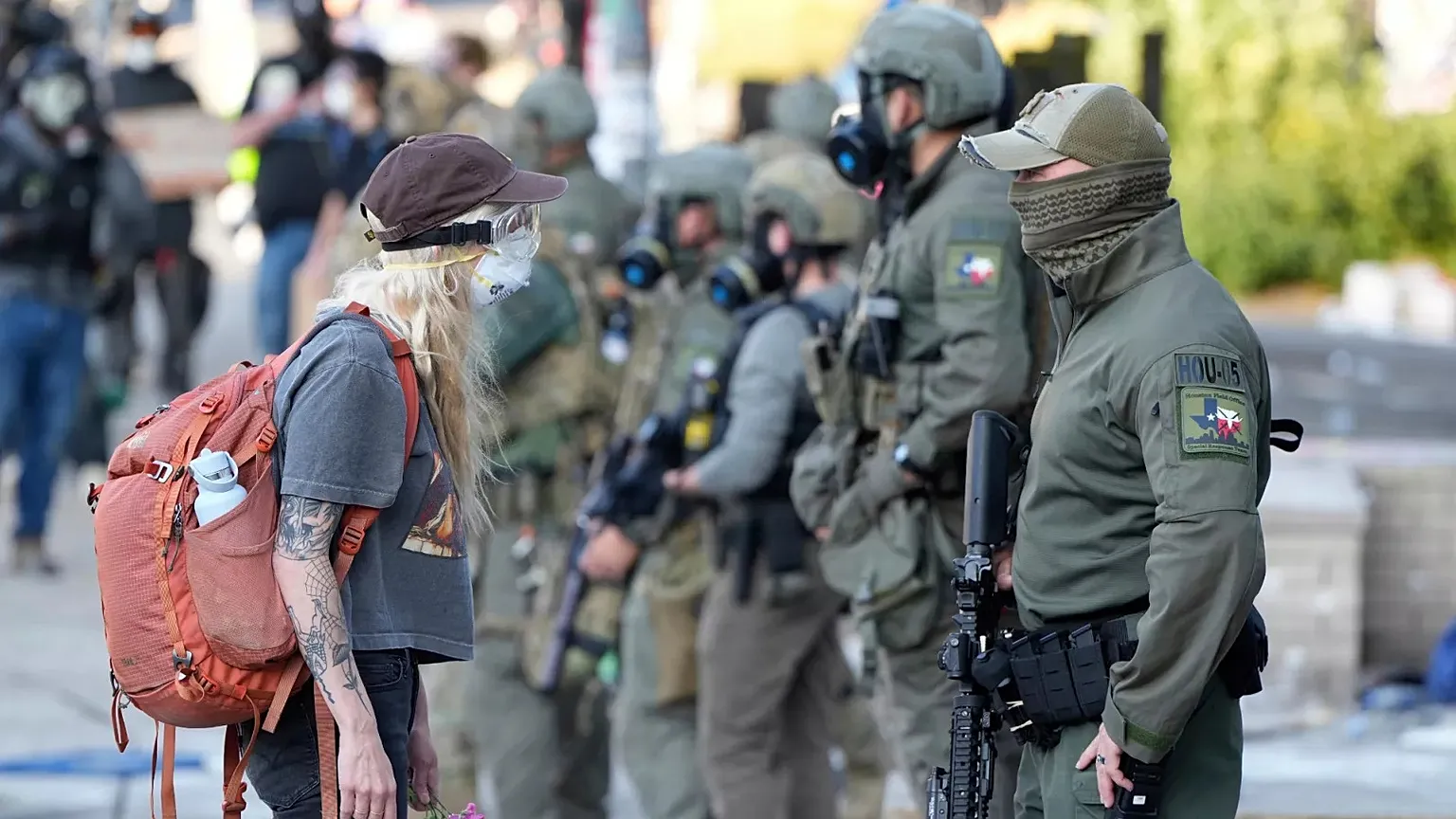
Donald Trump has ordered the deployment of the national guard to Portland, Oregon, claiming the city is “war ravaged” and requiring protection. The president authorized the use of “full force, if necessary,” citing threats against federal immigration facilities.
Trump described the situation as a serious security concern, saying immigration offices were “under siege from Antifa and other domestic terrorists.” He said all necessary troops should be sent immediately to restore order.
However, local and state officials have strongly rejected Trump’s assessment. They argue that the situation in Portland does not warrant military involvement.
Oregon Governor Tina Kotek, a Democrat, said there is no evidence of an insurrection or national security threat. She added that military troops are not needed in the city and called the president’s claims misleading.
City officials have emphasized that protests outside federal buildings have been mostly peaceful. While there have been occasional clashes, authorities say the scale of unrest does not justify deploying the national guard.
The dispute highlights ongoing tensions between federal and local authorities over the handling of protests. Trump’s move comes amid his continued focus on law and order and criticism of domestic activist groups.
Observers note that the president’s decision could escalate the situation, as Portland has a history of contentious demonstrations. Critics warn that deploying troops may inflame local tensions rather than calm them.
Portland has seen frequent protests in recent years, particularly around immigration and social justice issues. Law enforcement officials say they have the situation under control and that routine policing measures are sufficient.
The federal government maintains that it has the authority to deploy national guard troops when it believes federal facilities are at risk. Supporters of the move argue it is necessary to protect government property and staff.
Opponents counter that using military forces against civilians in a major city sets a dangerous precedent. They say careful coordination with local leaders is critical to prevent unnecessary conflict.
National security analysts say this incident underscores a broader debate about the balance of power between federal and state governments. It also raises questions about how the federal government assesses threats before committing military resources domestically.
Trump has framed the deployment as part of his commitment to law and order, emphasizing the need to protect federal employees and infrastructure. He has repeatedly criticized activist groups, including Antifa, as violent and destructive.
Portland city leaders have asked residents to remain calm and continue peaceful activities. They stress that the city has mechanisms in place to ensure safety without resorting to military intervention.
The move is expected to draw national attention, as critics and supporters weigh in on whether the deployment is justified. Political analysts suggest that this decision may have implications for upcoming elections and public perception of Trump’s approach to domestic security.
The situation remains fluid, with both sides maintaining firm positions. Federal authorities insist on readiness to respond to threats, while local officials continue to advocate for measured, community-focused responses.
As the national guard begins preparations, residents and officials in Portland are watching closely. The coming days will test how federal and local authorities manage protests while maintaining public safety.
