

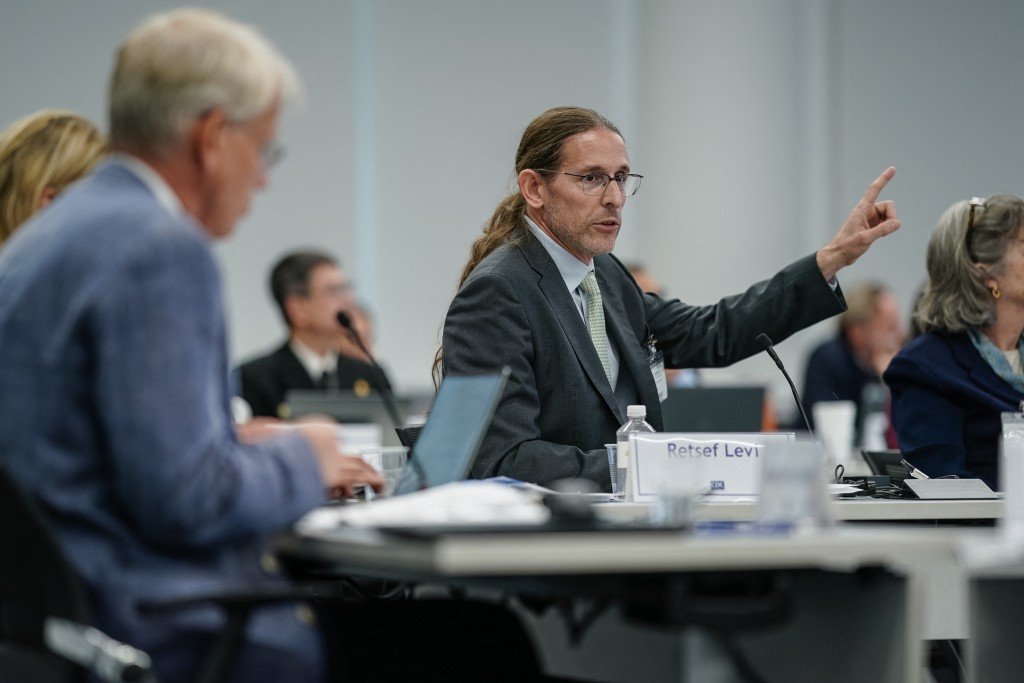
A health advisory panel backed by President Donald Trump has raised doubts about the safety and effectiveness of Covid-19 vaccines. The group stopped short of recommending the shots and instead said vaccination should be a matter of personal choice made with a doctor’s guidance.
The Advisory Committee on Immunization Practices (ACIP), whose members include individuals chosen by U.S. health secretary Robert F. Kennedy Jr., discussed new language for health care providers. The panel suggested doctors should give stronger warnings about possible risks from vaccines, despite extensive research showing they are safe and effective.
Medical experts expressed alarm at the panel’s decision. The American Academy of Pediatrics’ Sean O’Leary called the move “extraordinarily vague” and unlike anything he had seen before. He said the discussion focused on myths and anecdotes instead of scientific evidence. According to O’Leary, the committee’s approach appeared to create fear and distrust among the public.
Other observers shared similar concerns. Sandra Fryhofer from the American Medical Association said the committee’s credibility was being undermined by its new stance.
The panel’s decision reflects a broader shift in federal vaccine policy. The Food and Drug Administration under Trump has already limited access to Covid-19 shots. Once available to all adults, the vaccines are now restricted to older people and those with health conditions. Earlier this year, Kennedy announced that the U.S. would no longer recommend vaccines for children or healthy pregnant women.
Public health experts have warned these policy changes could create confusion. They fear that new barriers, such as costs and limited availability, could discourage people from seeking booster shots. This comes at a time when Covid-19 cases and hospitalizations are rising again across the country.
During the latest meeting, the committee debated a proposal to require a prescription for anyone seeking a Covid-19 vaccine. The measure narrowly failed after a tied vote. Critics said the plan would have placed extra burdens on vulnerable groups.
Catherine Stein, an epidemiologist and member of the panel, opposed the proposal. She noted that people with poor health coverage or little access to doctors would be most affected. Stein warned that these groups are also among the highest risk for severe illness from Covid-19.
While the committee’s recommendations are not final policy, they send a powerful signal that could shape public opinion. Experts fear that undermining confidence in vaccines could weaken protection against severe Covid-19 and slow the country’s response to new outbreaks.
The Centers for Disease Control and Prevention continues to state that Covid-19 vaccines are safe and provide strong protection against hospitalization and death. Studies from around the world support their effectiveness, especially for older adults and people with chronic health conditions.
Health leaders argue that vaccines remain one of the most reliable tools for controlling the virus. They say clear communication and public trust are vital to ensure that people continue to seek protection.
The Trump-backed panel’s skepticism is expected to fuel further debate at a time when the nation is still managing waves of Covid-19 infections. The discussion underscores the ongoing divide between scientific evidence and political influence in shaping public health policy.
