

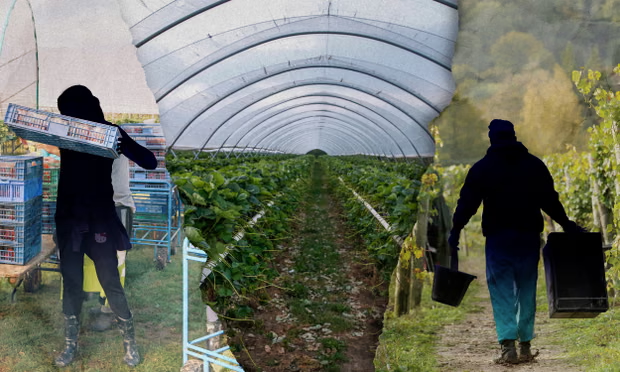
Young workers from the Philippines, South Africa, and Kosovo arrived in New York eager for a taste of America. They had saved money, borrowed from family, and joined a U.S. government program designed to promote cultural exchange. Their destination was Kurt Weiss Greenhouses, one of the largest plant nurseries in the nation.
The reality was far from what they expected. Instead of mentorship and cultural experiences, the workers were thrown into long, exhausting shifts. They spent 10-hour days on assembly lines, filling pots with soil. Others woke before sunrise to plant flowers or worked past midnight loading heavy cartons of hydrangeas for major retailers.
Living conditions were harsh. Workers slept in filthy trailers, sometimes two per bed. Dust from trucks filled the air, and cockroaches and mice scurried through the kitchen. These trailers offered little protection from the elements and provided unsafe, unhealthy living spaces.
Safety on the job was often ignored. A Brazilian student working in a greenhouse became violently ill when chemicals were sprayed nearby. Without protective gear, she vomited and developed painful skin rashes. An Eastern European man suffered a severe injury when a forklift crushed his hand. A 22-year-old from Kosovo, top of her class, faced verbal abuse and threats of deportation when she struggled to keep pace with the demands.
Many of these young workers had come with high hopes of learning and cultural growth. They imagined visiting beaches, exploring New York, and gaining valuable work experience. Instead, they endured physically demanding labor with little support or oversight.
Workers describe the environment as relentless. Supervisors pushed for speed and productivity over safety and well-being. Breaks were minimal, and access to medical care was limited. Those who tried to report unsafe conditions or mistreatment feared losing their jobs and facing deportation.
Labor experts say cases like these are not isolated. Some employers exploit the J-1 visa system to secure low-cost labor while avoiding proper worker protections. Visa participants, often young and unfamiliar with U.S. labor laws, may not know their rights or where to seek help.
The program was intended to foster cultural exchange, not labor exploitation. Workers are supposed to gain professional skills and experience life in the United States. However, in some facilities, the emphasis shifts entirely to production and profit.
Advocates stress the importance of stricter oversight. Regular inspections, clear reporting channels, and access to legal support could prevent abuse. Education about labor rights for J-1 visa participants is also key.
Many of those affected now call for reforms to ensure future workers have safe and fair experiences. They want the program to reflect its original purpose: cultural exchange and learning, not exploitation.
This case at Kurt Weiss Greenhouses highlights the risks young workers face when promises of opportunity turn into long hours, unsafe conditions, and mistreatment. The story serves as a warning and a call for action to protect international participants in U.S. work programs.
