

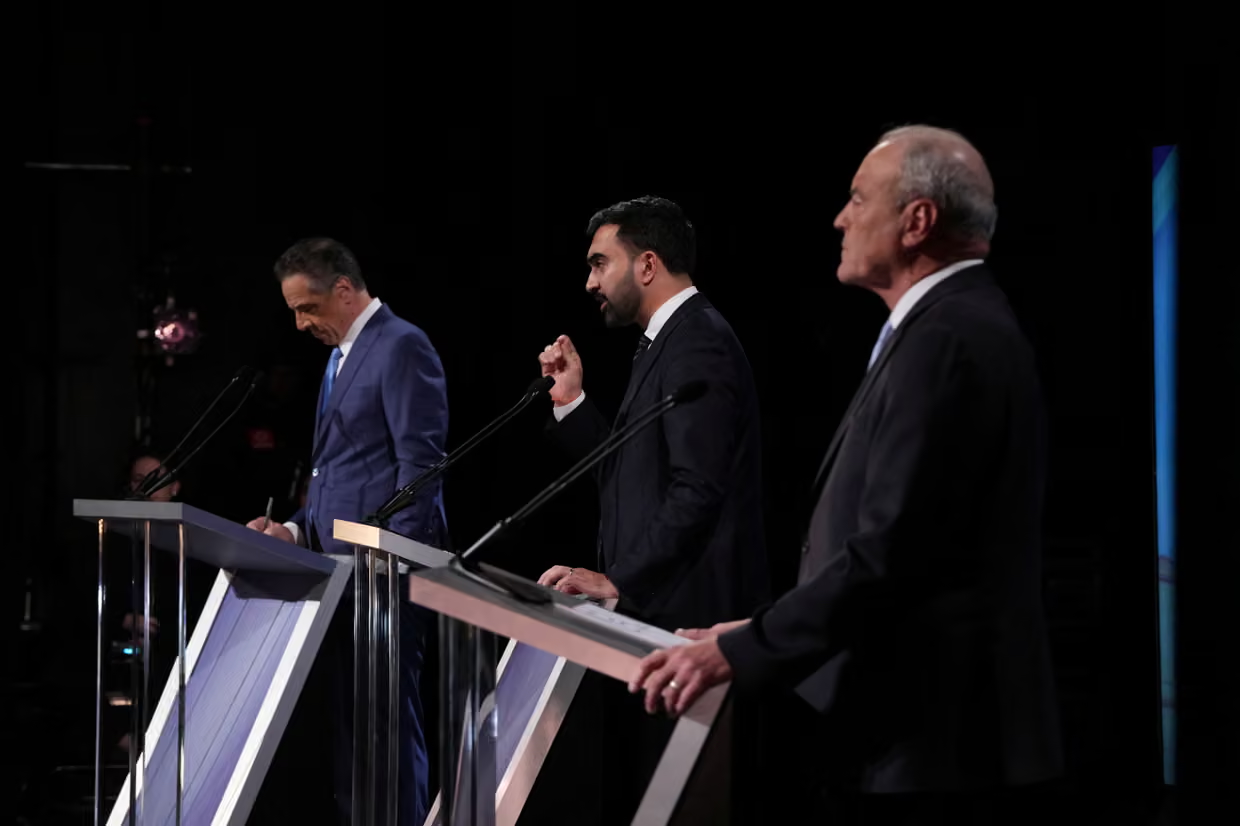
New York City’s final mayoral debate turned fiery on Wednesday night, with Democratic nominee Zohran Mamdani, independent Andrew Cuomo, and Republican Curtis Sliwa clashing over key issues less than two weeks before the 4 November election. Current Mayor Eric Adams, who dropped out weeks ago, did not attend.
Sliwa opened the debate by calling it “us versus them,” grouping Cuomo and Mamdani together despite their mutual disapproval. Mamdani accused both rivals of focusing on urging each other to drop out instead of presenting new ideas. Cuomo countered that Mamdani “has no new ideas” and merely repeated policies from former Mayor Bill de Blasio, prompting Mamdani to respond: “I have plans for our future, my opponents only have fear.”
The candidates debated immigration, starting with ICE raids. Cuomo said federal agents should avoid targeting minor offenses like street vending, calling it a local police matter, and claimed he would have called Donald Trump to rein in ICE. Sliwa emphasized he would negotiate directly with Trump to achieve the best outcome. Mamdani called Cuomo “Donald Trump’s puppet,” while Cuomo alleged Trump wanted Mamdani elected to take over the city, labeling him “Trump’s dream.”
The debate also focused on the city’s 150,000 homeless students. Mamdani proposed doubling a program pairing shelter families with city workers, while Cuomo defended past policies without clarifying his figures. Sliwa quipped, “You didn’t leave. You fled from being impeached,” earning applause from the audience.
On housing, Mamdani said he would freeze rent while supporting landlords. Cuomo defended past rent hikes and argued Mamdani could not freeze rents because the rent guidelines board controls them. Mamdani fired back, highlighting the mayor’s authority over board appointments.
The “City of Yes” zoning reforms prompted Sliwa’s opposition and conditional support from Cuomo and Mamdani, who clarified he had not yet taken a formal position. The debate also touched on Mamdani’s support for Jewish New Yorkers, with Cuomo citing a letter from rabbis and Sliwa alleging support for “global jihad.” Mamdani denied the claims, pledging to protect Jewish children and expand public school curriculum on Jewish history.
Tensions escalated between Cuomo and Mamdani over ideology and governance. Mamdani criticized Cuomo’s past performance on housing, while Cuomo emphasized Mamdani’s inexperience. Both candidates spoke over each other, prompting moderator Errol Louis to intervene. Sliwa mocked their exchanges, calling them “fighting like kids in the school yard” and delivering sharp quips about each rival’s record.
Other topics included gang violence, psychiatric hospital capacity, and potential endorsements from Eric Adams. Sliwa rejected any endorsement, calling Adams a “crook.” Mamdani confronted Cuomo about harassment allegations, highlighting accuser Charlotte Bennett in the audience. Cuomo dismissed the questions, noting cases were dropped though litigation continues.
The candidates also debated Rikers Island, wages, infrastructure, and public transport. Mamdani supported closing Rikers and proposed a $30 minimum wage and universal free buses. Cuomo emphasized past infrastructure projects, while Sliwa criticized Mamdani’s plans as unrealistic.
The debate ended with no candidate endorsing a potential 2028 presidential contender. New Yorkers will vote for their next mayor on 4 November, with early voting beginning 25 October and running through 2 November.
