

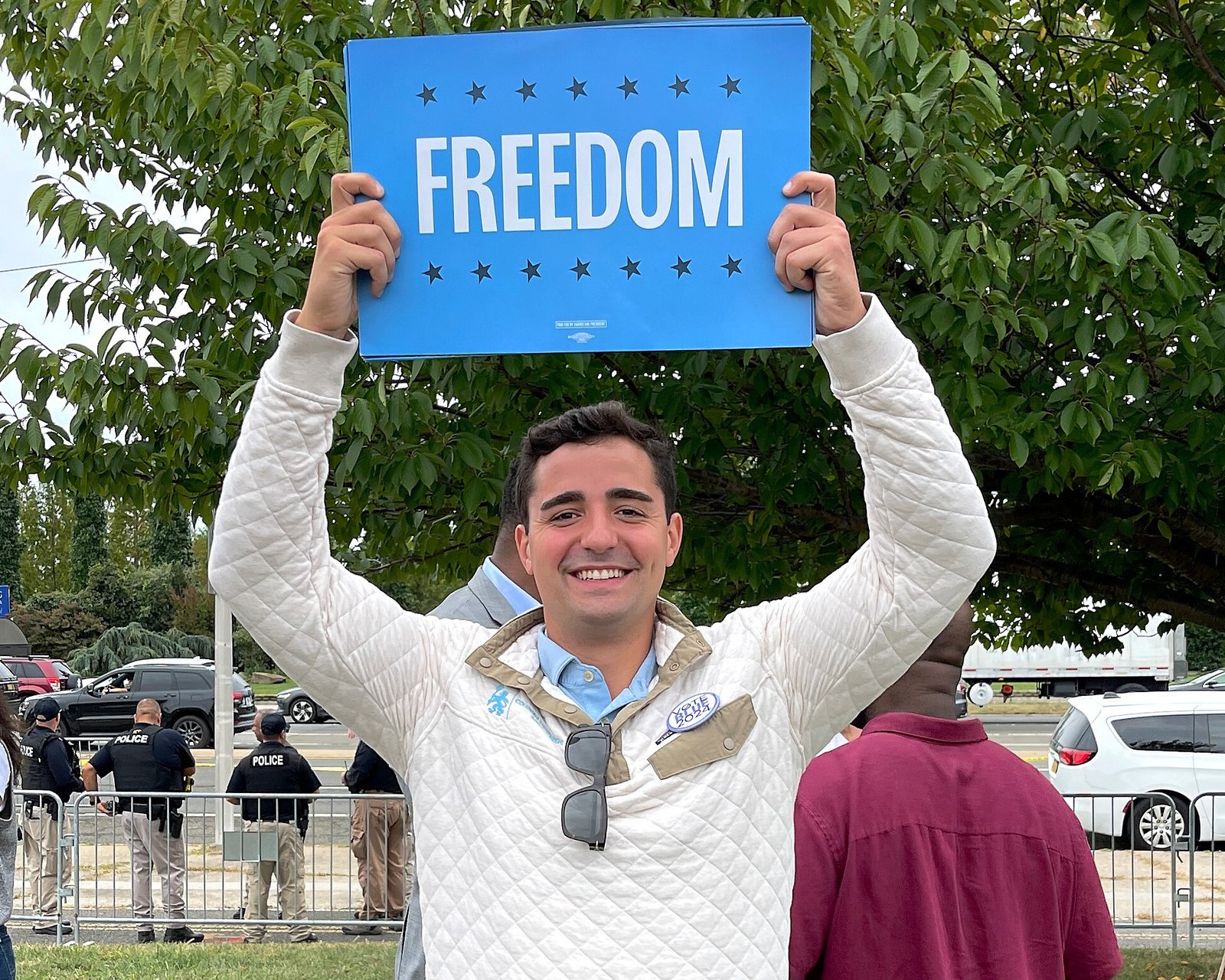
Petros Krommidas, a political candidate in the New York City suburbs, went for a night swim in the Atlantic Ocean this past spring and never returned. His phone, keys, and clothes were found on the sand at Long Beach, Long Island. The 29-year-old former Ivy League rower had parked his car near the boardwalk while training for a triathlon.
As months passed, local Democrats tried to name a replacement for the Nassau County legislature race. However, two Republican voters sued and won. A state judge ruled Krommidas’s name must remain on the November ballot because he is still officially missing and not declared dead.
Now, voters in Long Beach and other south shore communities face a rare choice: re-elect the Republican incumbent or the Democrat who vanished at sea. James Hodge, a local Democrat who worked with Krommidas at the county board of elections, urged residents to vote for Krommidas to honor him. A special election could then allow Democrats to field a new candidate.
The Republican lawsuit argued that Krommidas could not be replaced because authorities still list him as missing. New York law presumes someone dead only after three continuous years of absence. Judge Gary Knobel agreed, noting missing person status does not create a vacancy. He referenced similar cases, including Alaska Congressman Nicholas Begich Sr, who disappeared in a plane crash weeks before a 1972 election but still won.
Other historical examples include Missouri Governor Mel Carnahan, who died in a plane crash while running for the US Senate in 2000 but posthumously won, with his widow later filling the seat. Nevada legislator Dennis Hof and North Dakota candidate David Andahl also won elections after their deaths. Pennsylvania lawmaker Anthony DeLuca won reelection in 2022 despite dying from lymphoma a month prior.
Long Island Democrats claim the lawsuit aimed to ensure Republican victory and maintain a legislative majority. They argue it has prolonged the Krommidas family’s anguish. Ellen Lederer-DeFrancesco, a Democratic supporter, said, “There’s a time to stop and be a human being. Petros is someone’s son, brother, friend.”
The Nassau County Republican chair, Joseph Cairo Jr, promised sensitivity toward the Krommidas family. The family, while declining interviews, has asked residents to vote in Krommidas’s honor. His mother, Maria, posted on Facebook that he “cared deeply about people and his community.” His sister described him as a first-generation American who valued “equality, education, and unity.”
Following his disappearance, friends and family joined first responders searching Long Beach. Flyers with Krommidas’s smiling face are still posted around the town, now weathered but visible. Meanwhile, campaign signs for Republican incumbent Patrick Mullaney line streets and lawns. Mullaney did not respond to requests for comment.
Long Beach residents expressed mixed reactions to the unusual situation. Maude Carione, 72, said it was “insane to leave his name on the ballot” and worried it would confuse voters. Independent voter Regina Pecorella, 54, was clear in her choice: she would vote for the candidate who is alive.
The November election now presents a rare scenario in American politics: a missing candidate still officially running for office, highlighting unique legal rules and the unusual intersection of politics, law, and public sentiment in Long Island.
