

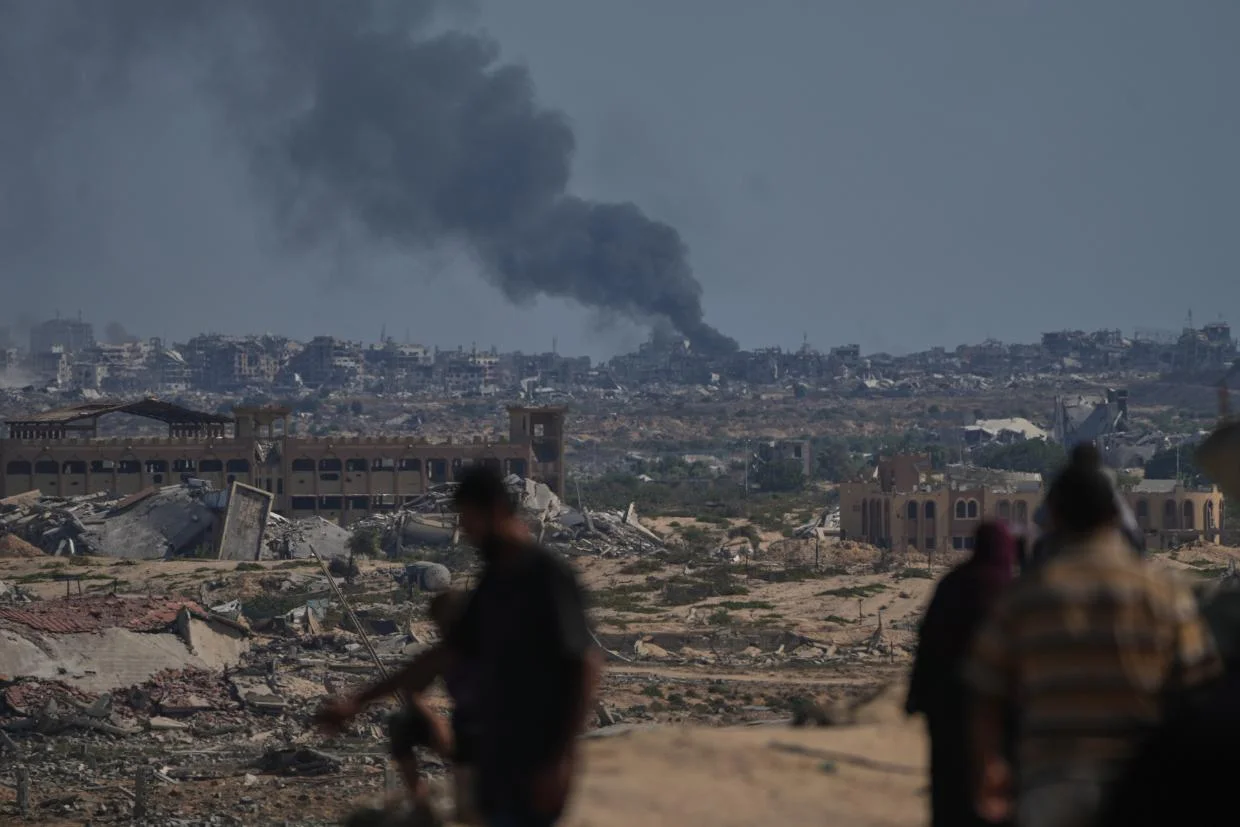
Israel Hamas talks resumed in Egypt with a positive first day, offering hope for easing the ongoing conflict in Gaza. Negotiators met in Sharm el-Sheikh on Monday to discuss steps from a proposed 20-point plan by former U.S. President Donald Trump. Reports say the meeting concluded with a roadmap for continuing discussions.
These are the first major indirect negotiations since violence escalated in Gaza earlier this year. The talks aim to explore agreements that could lead to a lasting ceasefire and improve humanitarian conditions for civilians. Sources said both sides expressed willingness to continue dialogue, with more sessions scheduled for Tuesday.
Egypt is hosting the discussions in its Red Sea resort city, a neutral venue reflecting its long-standing role as mediator. Egyptian officials have coordinated with international partners, including the United Nations and regional actors, to provide a framework for the talks.
Trump’s 20-point plan has been referenced during discussions. It includes proposals to halt military operations, reopen critical supply lines, and protect civilians. While controversial, it provides a structured agenda for negotiators to consider. Both Israel and Hamas are weighing the plan’s potential benefits and risks.
Indirect talks are slower and more complex than direct negotiations. Communication through intermediaries can reduce immediate conflict but may delay decisions. Still, Monday’s outcome shows both parties are willing to explore compromises and keep communication channels open.
Israel has maintained strict security measures in the West Bank and near Gaza, while Hamas has pledged to moderate its military actions if a sustainable deal is reached. Discussions in Sharm el-Sheikh reportedly included humanitarian aid access, civilian protection, and measures to prevent further escalation. Analysts note even minor agreements, like temporary pauses in hostilities or safe aid passage, can significantly impact conditions on the ground.
Humanitarian organizations have warned that ongoing fighting worsens shortages of food, water, medical supplies, and electricity. Civilians, especially children, remain at risk from airstrikes, shelling, and limited access to services. Aid groups welcomed the resumption of talks as an important step toward relief.
The international community expressed cautious optimism. The United Nations emphasized the importance of dialogue and adherence to international law, urging both sides to avoid actions that could derail negotiations. The European Union and Arab neighbors have supported Egypt’s mediator role and encouraged maintaining momentum.
Indirect talks also offer opportunities for confidence-building measures. Israel could temporarily ease blockades or checkpoints, while Hamas could reduce rocket attacks. Small agreements can build trust and pave the way for broader talks on ceasefires, prisoner exchanges, and reconstruction.
Israel prioritizes security while avoiding civilian casualties. Hamas focuses on recognition and easing humanitarian crises. Both sides face domestic scrutiny, making compromise sensitive. Indirect negotiations allow testing ideas without immediate public pressure, which experts say is crucial for eventual success.
Challenges remain, including deep mistrust, political pressures, and past failed negotiations. Analysts warn that progress may be fragile and setbacks could occur if either side perceives concessions as unfair or if violence resumes. Maintaining momentum from the first day is key to sustaining hope for a lasting resolution.
The Sharm el-Sheikh talks also provide a platform to discuss long-term solutions, including governance, infrastructure rebuilding, and security coordination. Early discussions can shape agreements that prevent future conflict and create stability.
Residents in Gaza and Israel have shown cautious optimism. Local leaders hope negotiations could bring temporary relief and restore some normalcy. Civilians emphasize the need to protect vulnerable populations and ensure humanitarian aid reaches those in need.
As the second day of talks approaches, both sides are expected to review Monday’s roadmap and identify areas for progress. Continued dialogue, even indirectly, is a significant step in a conflict with repeated ceasefire collapses. International monitors will likely stay involved to ensure agreements are implemented on the ground.
Monday’s positive outcome shows that persistence in negotiations is vital. By maintaining communication, considering structured proposals, and prioritizing humanitarian needs, negotiators hope to build a foundation for longer-term peace. Even small steps toward dialogue can provide hope and relief in a region long affected by violence.
