

Oregon protests misinformation has surfaced after the state’s Republican Party shared a doctored image claiming Portland protests were out of control. The posts appeared just before a federal judge blocked former President Donald Trump from sending California’s National Guard to the city.
The posts, shared on Facebook, Instagram, and X, celebrated the planned deployment of 300 California National Guard troops. Officials said the troops were to protect federal buildings and personnel after the judge ruled Oregon’s National Guard could not be deployed.
The images showed police officers holding riot shields and young men with flares lighting up a night sky. These visuals were used to support Trump’s false claim that Portland was “burning to the ground” amid protests against immigration sweeps.
However, the images were misleading. They were composites of two unrelated photos taken in South America years ago. The photo of the police officers came from Getty Images and showed South American riot police in 2008. The shields, marked “Policia,” indicated the location was not Portland. Other photos in the same set suggested the image was taken in Ecuador.
The protesters with red flares were from Pexels, a free stock photography site. This photo, taken by a Brazilian photographer in 2017, captured a street demonstration unrelated to Portland. Both images were combined to create a false impression of local unrest.
When a reporter pointed out on social media that the images were inaccurate, the Oregon Republican Party replied on X, saying, “We’re not reporters, just bad memers.”
The misleading posts gained attention because they coincided with Trump’s attempt to send California troops to Portland. A federal judge blocked the deployment, preventing the National Guard from protecting federal property.
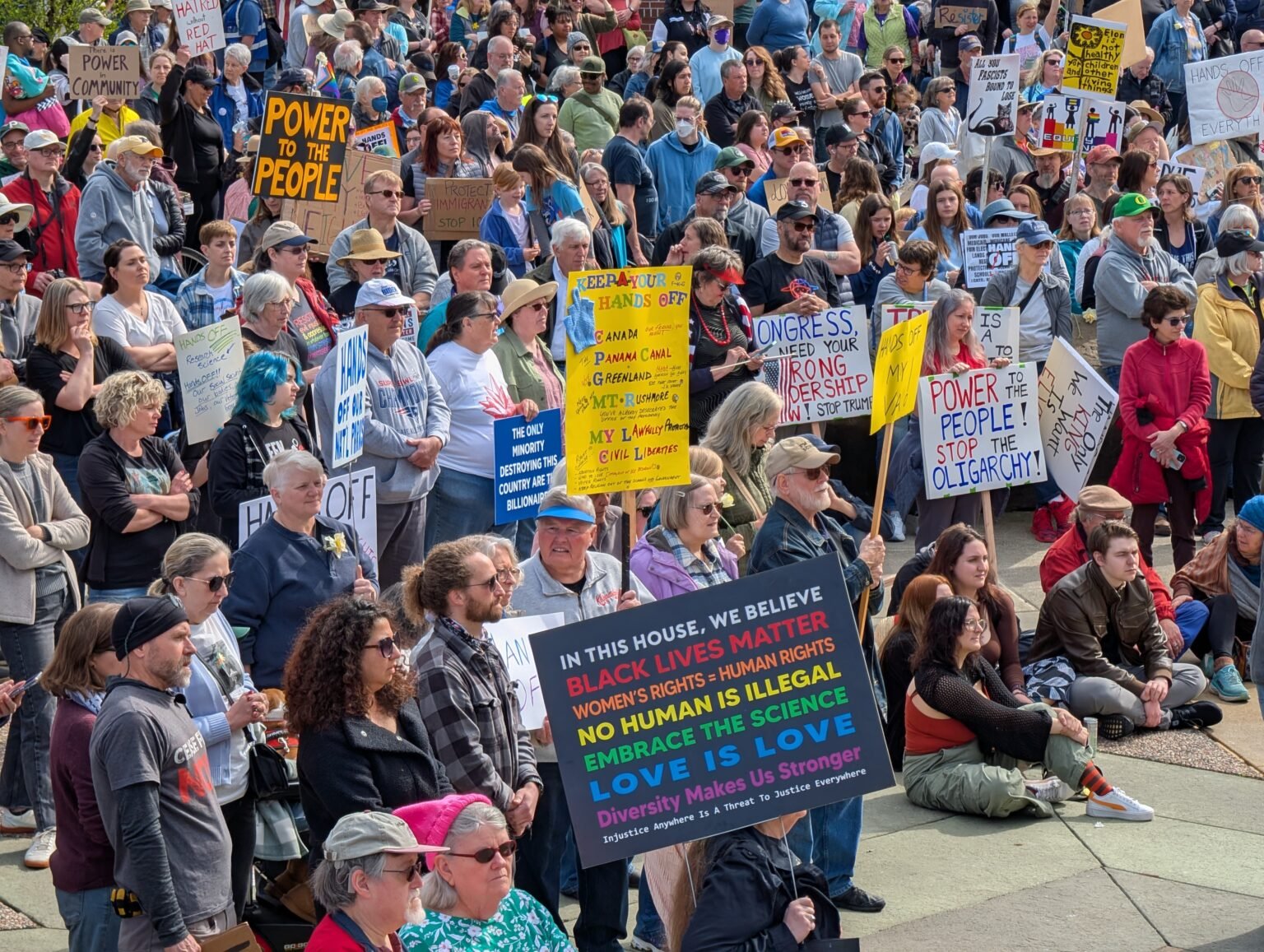
Experts warn that manipulated images like these can exaggerate events and influence public opinion. Observers noted that actual protests outside the Immigration and Customs Enforcement office in Portland were relatively small and peaceful compared with the dramatic scenes in the doctored photos.
The incident highlights challenges in verifying social media content. Fabricated images can mislead the public, create unnecessary tension, and distort perceptions of political and social issues.
This case is part of a larger trend of using visuals on social media to amplify claims of unrest. Fact-checkers and journalists continue to monitor such content to ensure the public receives accurate information about protests and civic events.
Social media experts emphasize that careful verification is critical. International photos, when misused, can create false narratives that may affect policy discussions, public opinion, and local community safety.
The Oregon Republican Party’s actions illustrate how political groups can use digital content to shape perceptions. As misinformation spreads rapidly online, users are urged to question sources and confirm facts before sharing images or claims.
The Portland protests remain largely peaceful, and officials continue to monitor demonstrations carefully. Accurate reporting and fact-checking remain essential to preventing the spread of Oregon protests misinformation.
