

The United States has warned that it may take steps to cripple Russia’s economy if Moscow continues its war in Ukraine. Military efforts through Ukraine have not succeeded in defeating Russia. Now, Washington is focusing on economic measures to pressure President Vladimir Putin. U.S. Treasury Secretary Scott Bessent has called for joint action with Europe to hit Russia’s financial system.
Russia carried out its largest airstrike in Ukraine since the war began. On Saturday night, Russian forces attacked the Cabinet of Ministers building in Kyiv. Cruise missiles struck the building, where Ukraine’s Prime Minister, Deputy Prime Minister, and other ministers work. This area is heavily defended by air defense systems, making the strike rare and significant.
The attack has angered U.S. President Donald Trump. On Sunday, he said he is ready to impose a second round of sanctions on Russia. The aim is to force Moscow to the negotiating table. Treasury Secretary Bessent explained that new sanctions could paralyze Russia’s economy and increase pressure on Putin to act.
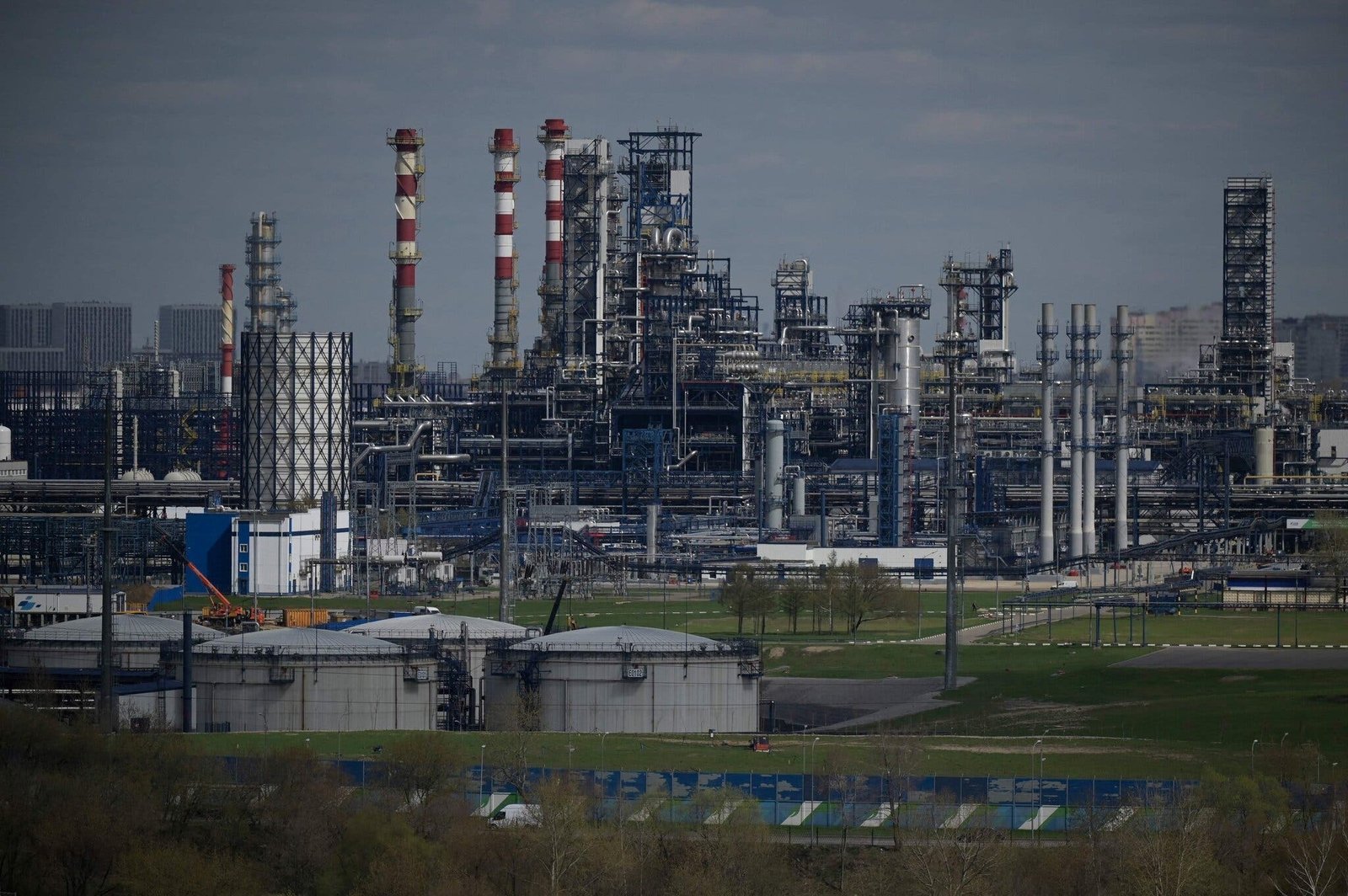
Speaking to U.S. media, Bessent said that a second wave of sanctions targeting Russian oil exports could severely damage the country’s financial system. He emphasized that the United States wants Europe to join these measures. “If the U.S. and Europe act together, Russia’s economy could collapse,” he said.
Bessent described the current situation as a race between Ukraine’s military resilience and Russia’s economic strength. He said that coordinated sanctions could push Russia to negotiate while supporting Ukraine in its fight.
The planned sanctions may also affect global trade. One concern is whether higher tariffs on Russian goods will impact Indian imports. The U.S. has already added a 25% tariff on most Russian goods, including oil, bringing the total tariffs to 50%. India is now facing pressure as one of the largest buyers of Russian oil, alongside China. However, the U.S. is focusing more on India than China.
The new sanctions represent a shift in U.S. strategy. Until now, support for Ukraine has focused on military aid. Economic pressure is now becoming a central tool. Bessent said that working closely with Europe will increase the sanctions’ effectiveness.
U.S. officials believe that a united approach could force Russia into meaningful negotiations over the Ukraine conflict. They are reviewing which sectors of Russia’s economy are most vulnerable, including energy exports, banking, and key industries.
The attack on Kyiv’s government center was unprecedented. While Ukraine’s cities have faced multiple strikes, targeting the Cabinet of Ministers is rare. Analysts say this shows Russia is escalating its offensive.
Experts warn that collapsing Russia’s economy could have global consequences. Energy prices could rise, and countries importing Russian oil may face new challenges. India and China, as major consumers, may be affected if sanctions intensify.
While the military front remains tense, U.S. leaders believe that economic measures could be a decisive tool. By targeting key sectors of Russia’s economy, the United States hopes to gain leverage for negotiations.
Bessent’s call for European cooperation indicates the West’s intention for a unified response. If the U.S. and EU act together, Russia could face serious financial disruption. The coming weeks will likely show whether economic pressure can force change in Moscow’s strategy.
The situation remains a high-stakes contest between Ukraine’s ability to hold its ground and Russia’s economic resilience. With Washington ready to act, global attention is focused on the outcome of this economic showdown.
